Not every insight needs a long interview. Sometimes it is a brief encounter along the way, a sign or a number that leaves us astonished. Here are a few glimpses – small snapshots from very different walks of life that invite a smile, a moment of reflection and further questions.
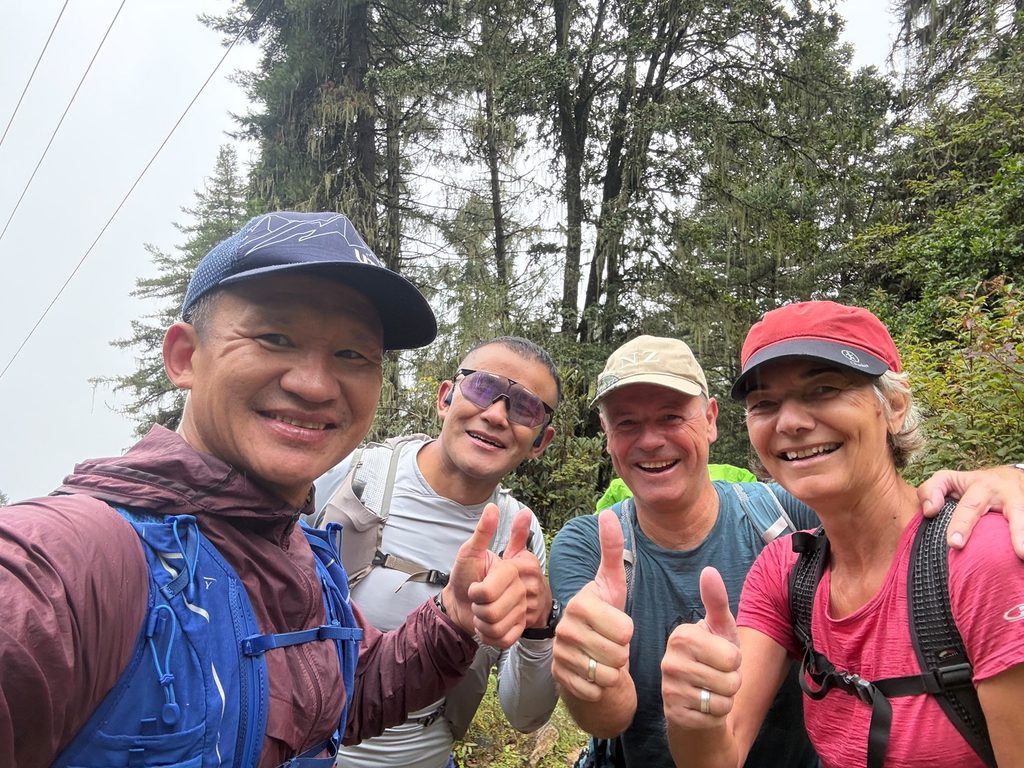
On the climb up to the temple, two trail runners come towards us. One of them is Jigme Tenzin – “Jimmy”, as he introduces himself. At Bhutan’s Ministry of Foreign Affairs he heads the Political and International Security Division; he studied in Oberwart, Austria, and has just completed the UTMB, the Ultra-Trail du Mont-Blanc. He is bubbling over with joy and energy: “I run for my life. You have to breathe deeply, through your whole body, and take in the scent of nature. And at the top, ‘blessed water’ comes straight out of the rock – like a shower.”
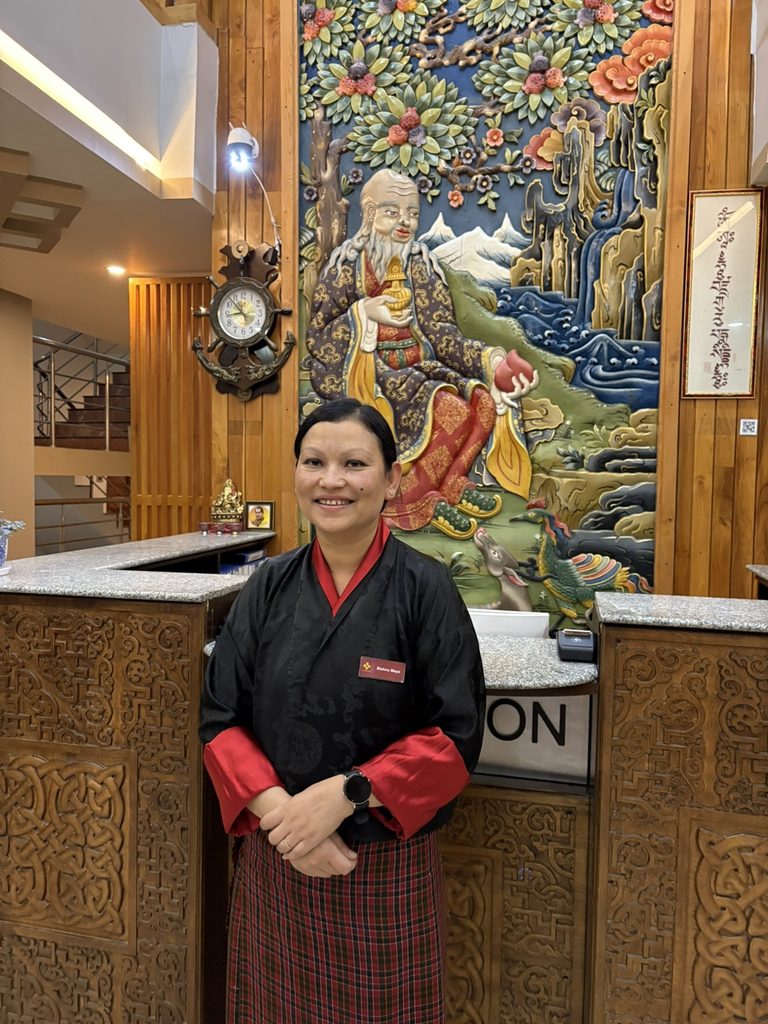
Bishnu Maya serves us at dinner and breakfast, and her friendly manner makes it easy to strike up a conversation. “Being citizen from Bhutan is GNH!” she says – and she lives that kindness. She tells us all sorts of stories about her guests. When we mention our culinary adventures, she comes back with a bowl of cloves and cardamom pods: “This will take away the onion-and-garlic taste straight away.”
Warmth is one thing, reliable supplies another: elsewhere, it proves impossible to reorder the wine on the menu within a week, and even at the breakfast buffet the eggs can run out – in high season, no less.
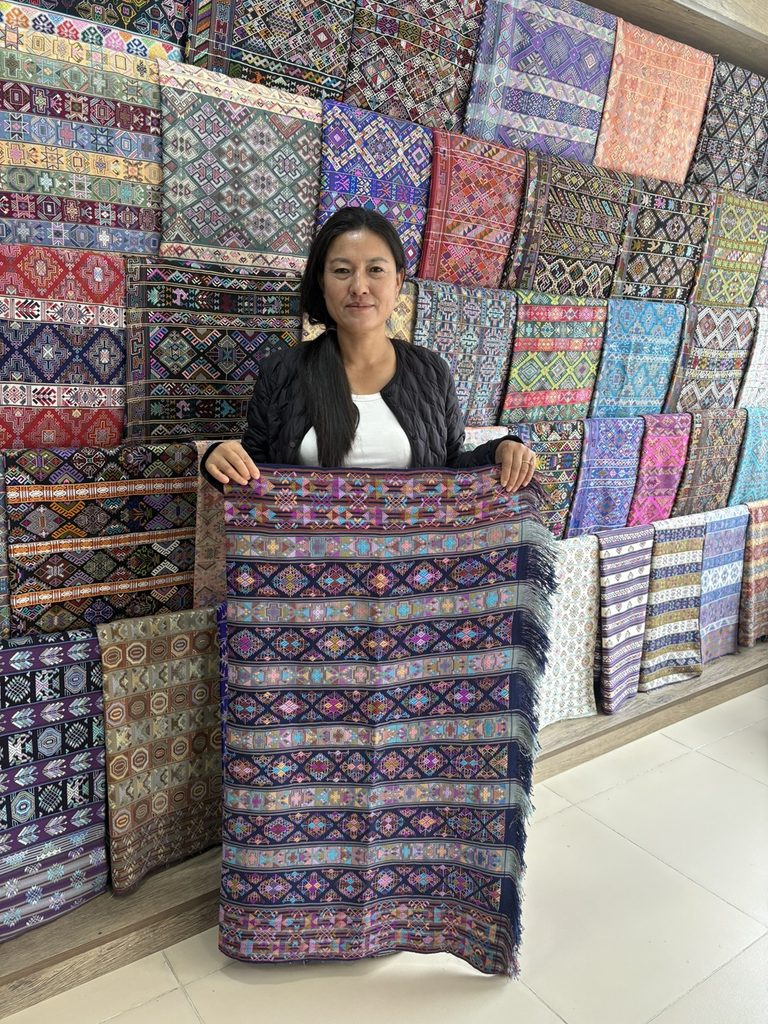
Thinley Pemo, a textile designer who has received several royal awards for her designs, tells us about her 86-year-old mother: she still spins the threads day after day – staying at home would bore her – and has taught the whole family this delicate craft. Some of these finely handwoven fabrics have taken up to a year to make.
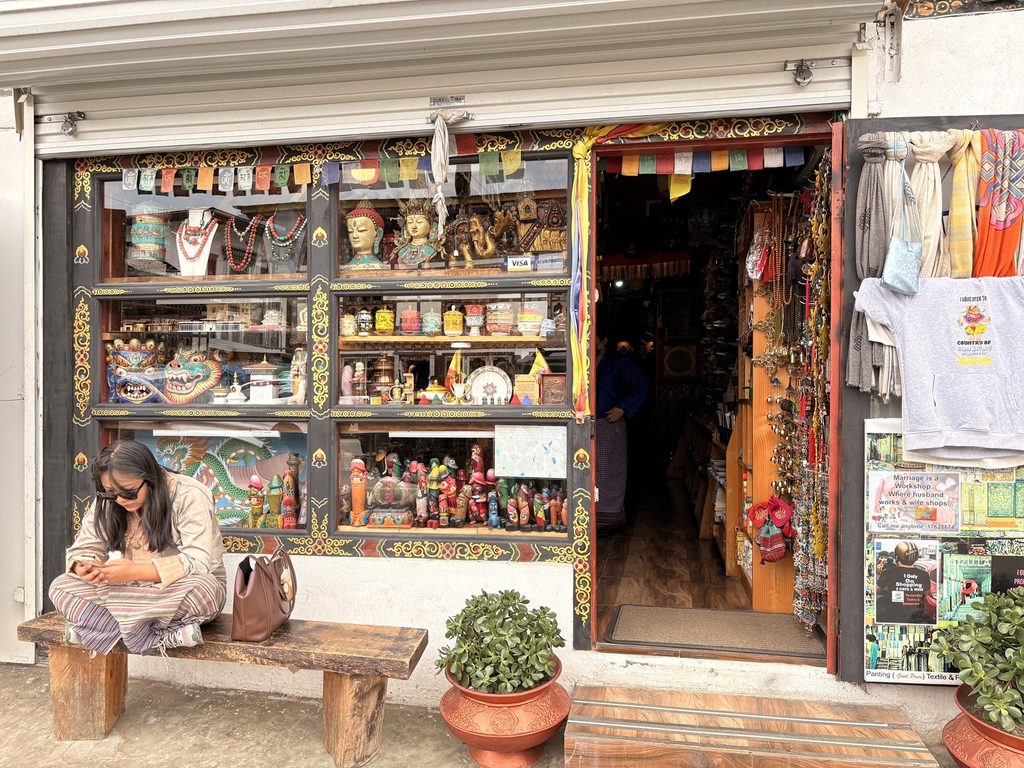
“Bhutan made” is not “made in Bhutan”. We know that from home, too. What does surprise us, though: around 90 per cent of the souvenirs, we are told, come from Nepal – at a fraction of the price, mind you. Now we understand how the shops here can all sell the same things and still somehow get by.
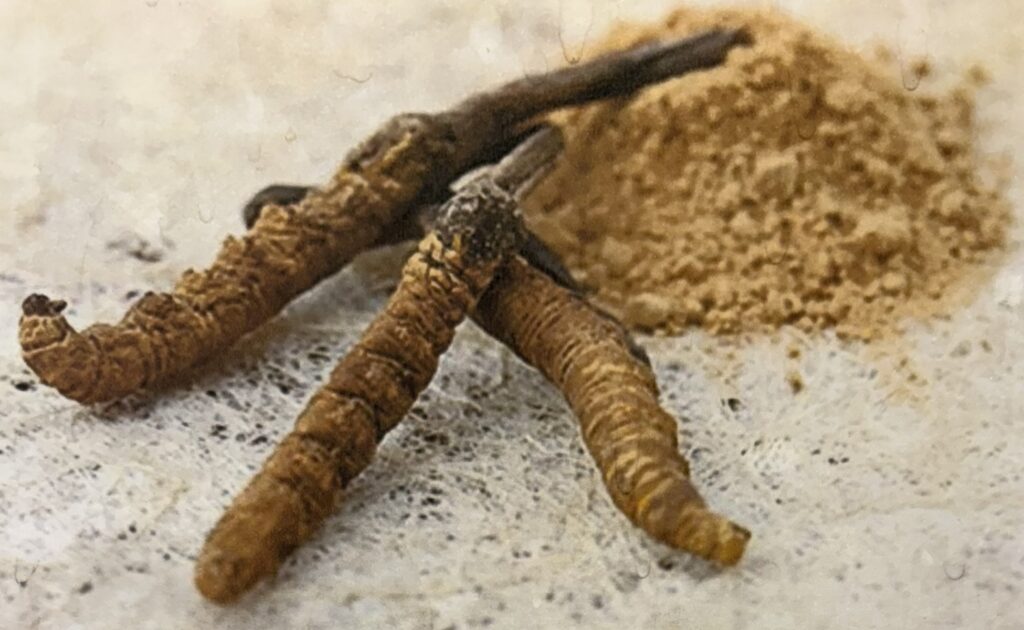
Cordyceps, the most expensive fungus in the world, is harvested under the most precarious conditions in the Himalayan highlands – it is the business of eternal youth and health. A kilo fetches between USD 10,000 and 50,000, and whisky infused with cordyceps sells for USD 450 a bottle..
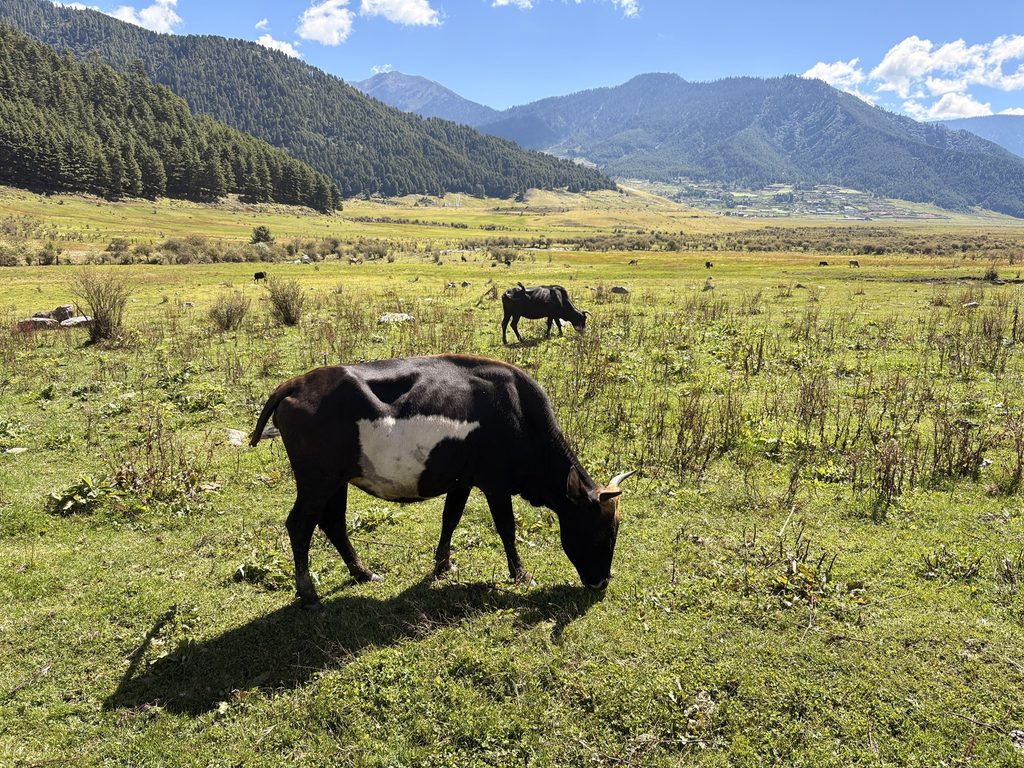
How much milk does a cow give on average per day? In Switzerland, 20 to 35 litres; in Bhutan, 1.6 to 2 litres. In return, the cows here graze freely on wide upland pastures. How do we actually measure productivity – and what does it leave out?
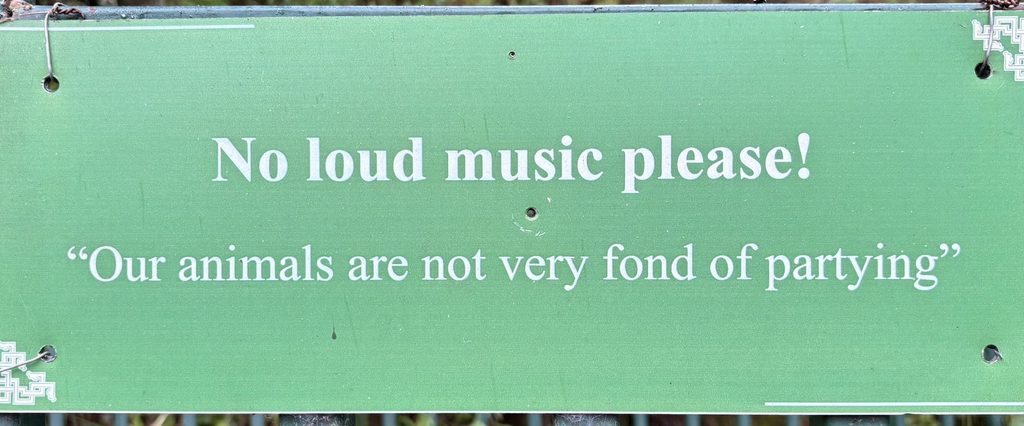
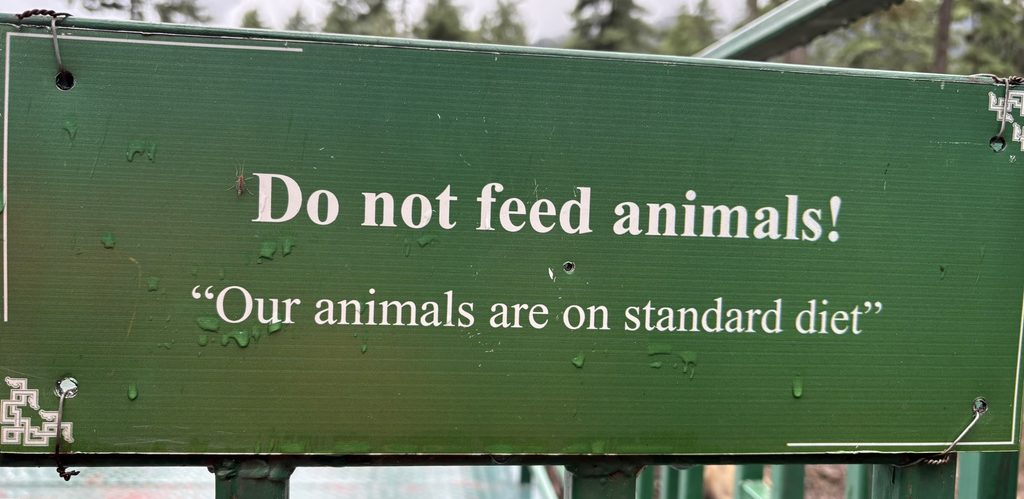
Even the visitor rules at the zoo are friendly and humorous: “No loud music please! Our animals are not very fond of partying.” And: “Do not feed animals! Our animals are on standard diet.”
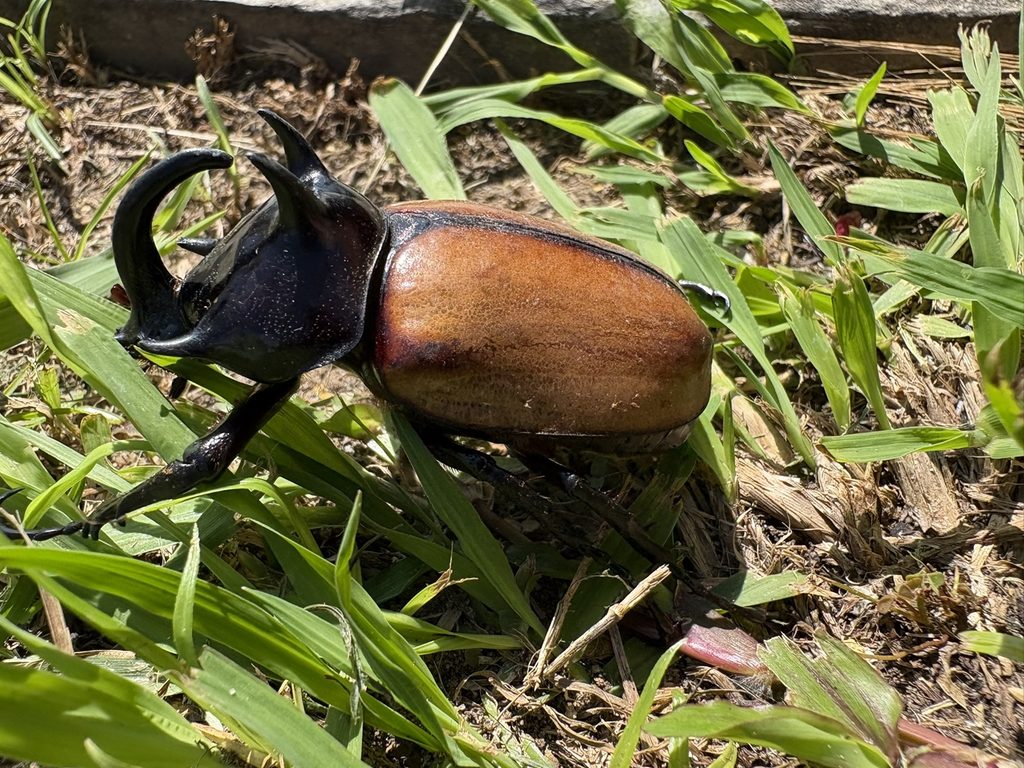
And then there are even rhinos here – in beetle form, at least.
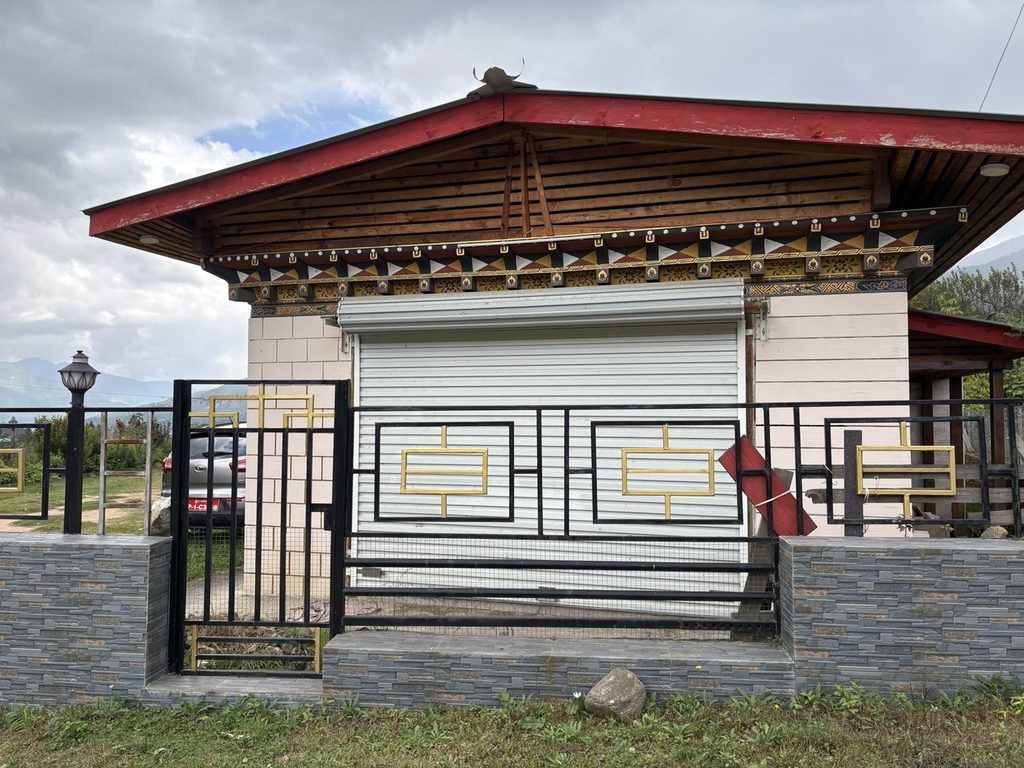
Spot the mistake! Or is this unique garage architecture? Or: what are WE not understanding?
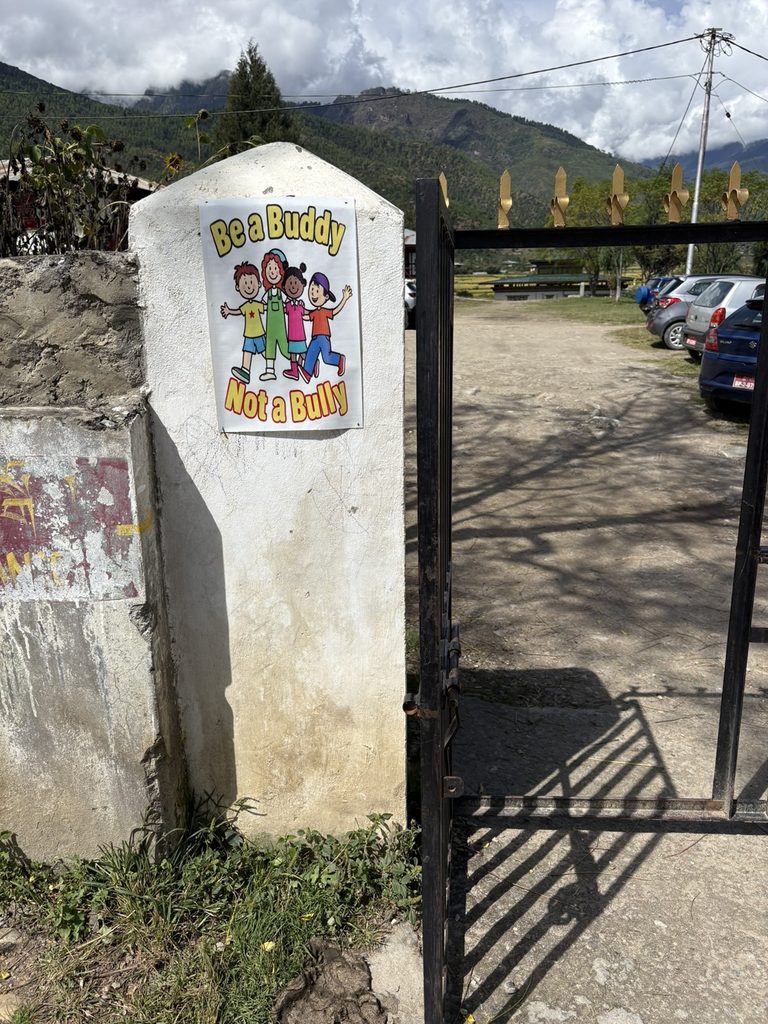
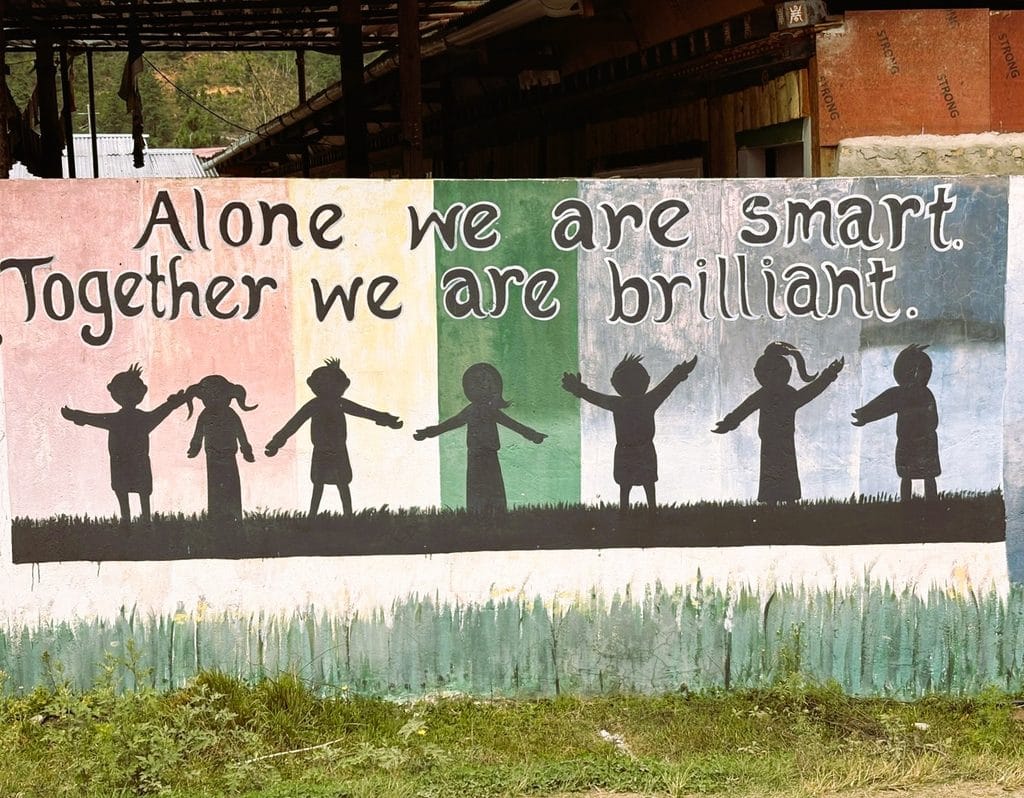
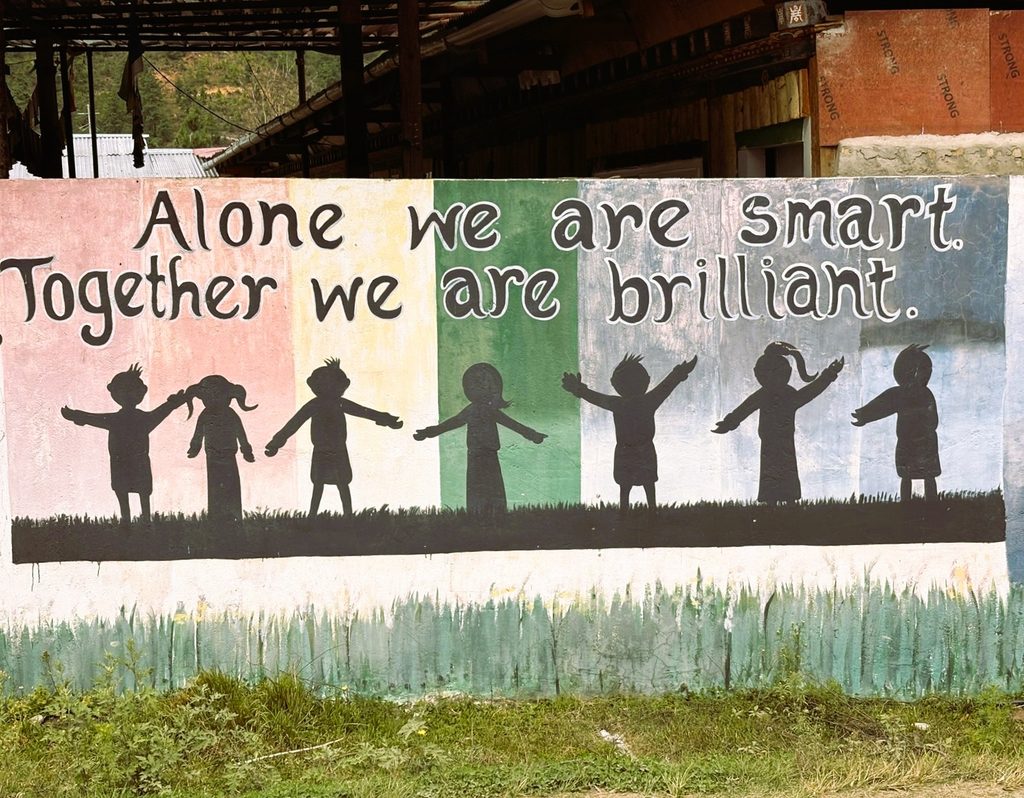
“Be a Buddy, not a Bully” reads the sign at the gate of a primary school, “Alone we are smart, together we are brilliant” its wall. The social WE is anchored early on.
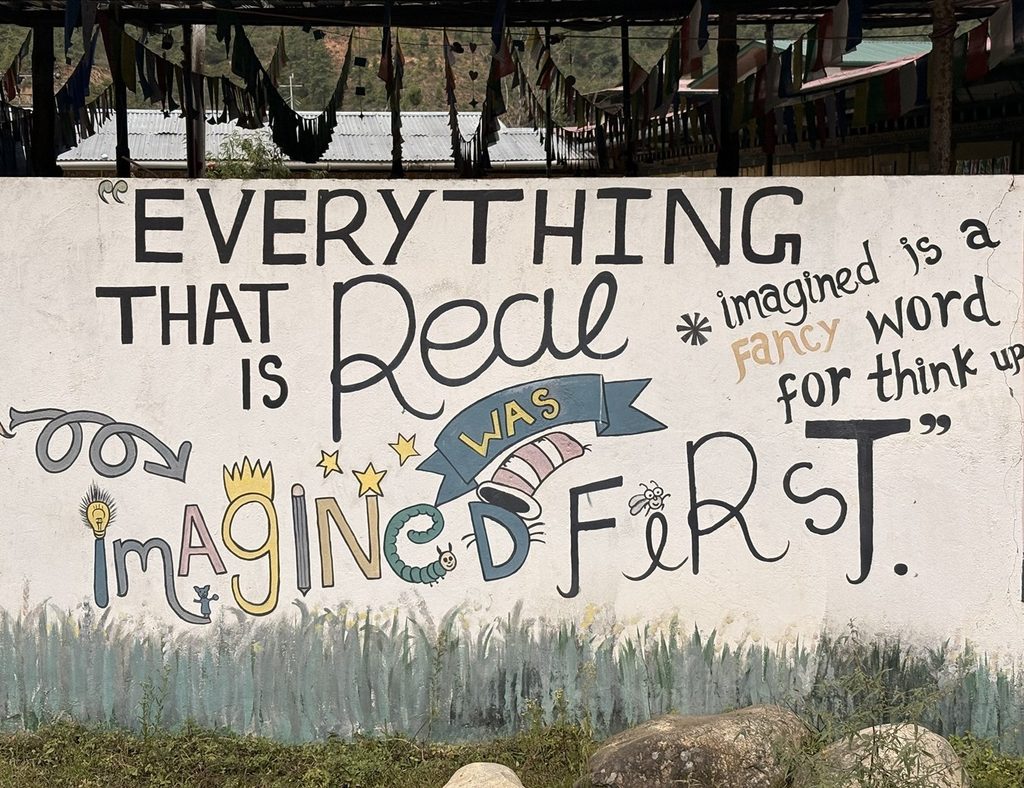
On the same wall, in colourful letters: “Everything that is real was imagined first.” For the little ones, the explanation comes with it: “imagined” is just a fancy word for “think up”. A sentence that leads us to one of Bhutan’s boldest undertakings.
Looking ahead: Gelephu Mindfulness City
In the south of the country, on the border with India, Gelephu Mindfulness City (GMC) is taking shape at the King’s initiative – a project that aims to combine economic development with the values of Gross National Happiness. We have summarised the key facts in our factbox on Gelephu Mindfulness City. Much of it is still only imagined. And so, above all, we take questions home with us:
- Will this ambitious undertaking succeed – and how would we even measure that?
- How will it be financed? Will there be investors for whom “mindfulness” means more than a label?
- Are there enough well-meaning forces to resist the temptation of short-term, exploitative success?
- What influence will foreign investors, employees, leaders and designers have on Bhutan’s culture – and Bhutan on them?
- Will young people’s hope of finding a future in their own country be fulfilled?
- And could GMC even become a turning point – not only for Bhutan, but as an example for the world?
We will stay tuned.